
1. Understand What LLLT Is and Its Clinical Applications
Low-Level Laser Therapy (LLLT), also called photobiomodulation, uses red or near-infrared light to stimulate cellular activity, reduce inflammation, relieve pain, and accelerate tissue healing. It’s used in:
- Physical therapy & rehabilitation
- Chiropractic care
- Sports medicine
- Dermatology and aesthetics
- Dental care
- Veterinary medicine
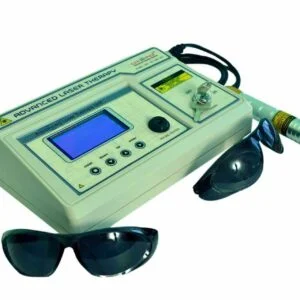
Understanding your clinical focus helps narrow down the equipment best suited to your needs.
2. Define Your Practice Goals
Before purchasing equipment, consider:
- Primary treatments offered: Pain relief, wound healing, acne/scar treatment, hair regrowth, etc.
- Target patient population: Athletes, seniors, post-surgical patients, pets, etc.
- Volume of patients: Will you use the device daily, occasionally, or as an add-on service?
3. Key Technical Specifications to Evaluate
Wavelength
- Red light (600–700 nm): Best for superficial tissues (skin, wounds).
- Near-infrared (700–1000 nm): Penetrates deeper tissues (muscles, joints, tendons).
- Multi-wavelength devices can treat a wider range of conditions.
Power Output
- Typically ranges from 5 mW to 1,000 mW per diode.
- Higher power can reduce treatment time but must be carefully managed to avoid overheating.
Beam Type
- Laser vs. LED vs. SLD (super-luminous diode):
- Laser: Coherent, focused, deeper penetration.
- LED: Incoherent, more scattered, good for broader areas but less penetration.
- SLD: Higher output than LED, good middle ground.
Treatment Area Size
- Consider whether you need pinpoint precision or a large treatment area.
- Some devices come with interchangeable heads for different applications.
4. Portability and Usability
- Portable or tabletop unit? Portables are useful for mobile practices or home visits.
- Ease of use: Touchscreen interface, pre-set protocols, and ergonomic design improve efficiency.
- Software integration: Some models offer connectivity for patient tracking and treatment logs.
5. Safety Features and Certifications
- Look for FDA clearance (in the U.S.) or CE marking (in Europe).
- Devices should have built-in safety timers, auto shut-offs, and protective eyewear included.
- Check for Class 1, 2, or 3B laser classification, depending on the power and risk level.
6. Clinical Evidence and Manufacturer Reputation
- Research-backed technology: Look for published studies or clinical trials validating the device’s efficacy.
- Manufacturer support: Consider warranty length, customer service, clinical training, and upgrade options.
- Reputation: Reviews and testimonials from other healthcare providers can offer valuable insights.
7. Budget and ROI Considerations
Initial Costs
- Entry-level devices: $1,500–$5,000
- Professional-grade systems: $5,000–$25,000+
Operational Costs
- Replacement parts (e.g., diodes)
- Staff training
- Maintenance fees
Return on Investment
- Determine how quickly the device will pay for itself based on your pricing model and patient volume.
- Some clinics see ROI in 6–12 months with proper marketing and integration.
8. Training and Support
Does the vendor offer clinical training? Hands-on or virtual?
- Ongoing support: Troubleshooting, protocol updates, and peer networks.
- Certification programs can help enhance your team’s confidence and credibility.
9. Warranty and Service Agreement
- Look for a minimum 1–3 year warranty.
- Ask about loaner devices during service periods.
- Read the fine print regarding service turnaround time and what’s covered.
10. Trial Period or Demonstration
- Some reputable manufacturers offer in-office demos or trial rentals.
- Use this opportunity to assess:
- Patient response
- Ease of integration into your workflow
- Staff feedback
Conclusion: Key Takeaways
| Feature | Ideal For |
| Wavelength Range | Deep tissue (810–980 nm), Surface skin (630–660 nm) |
| Power Output | High volume clinics may prefer >500 mW diodes |
| Device Type | Portable for mobility, Tabletop for stationary use |
| Training & Support | Crucial for staff onboarding and optimal treatment outcomes |
| Budget & ROI | Align cost with your expected usage and patient outcomes |
Choosing the right LLLT device is a balance of clinical needs, budget, and long-term support. Don’t rush the decision—trial devices, ask questions, and consult peers in your specialty.
c1. Understand What LLLT Is and Its Clinical Applications
Low-Level Laser Therapy (LLLT), also called photobiomodulation, uses red or near-infrared light to stimulate cellular activity, reduce inflammation, relieve pain, and accelerate tissue healing. It’s used in:
- Physical therapy & rehabilitation
- Chiropractic care
- Sports medicine
- Dermatology and aesthetics
- Dental care
- Veterinary medicine
Understanding your clinical focus helps narrow down the equipment best suited to your needs.
2. Define Your Practice Goals
Before purchasing equipment, consider:
- Primary treatments offered: Pain relief, wound healing, acne/scar treatment, hair regrowth, etc.
- Target patient population: Athletes, seniors, post-surgical patients, pets, etc.
- Volume of patients: Will you use the device daily, occasionally, or as an add-on service?
3. Key Technical Specifications to Evaluate
Wavelength
- Red light (600–700 nm): Best for superficial tissues (skin, wounds).
- Near-infrared (700–1000 nm): Penetrates deeper tissues (muscles, joints, tendons).
- Multi-wavelength devices can treat a wider range of conditions.
Power Output
- Typically ranges from 5 mW to 1,000 mW per diode.
- Higher power can reduce treatment time but must be carefully managed to avoid overheating.
Beam Type
- Laser vs. LED vs. SLD (super-luminous diode):
- Laser: Coherent, focused, deeper penetration.
- LED: Incoherent, more scattered, good for broader areas but less penetration.
- SLD: Higher output than LED, good middle ground.
Treatment Area Size
- Consider whether you need pinpoint precision or a large treatment area.
- Some devices come with interchangeable heads for different applications.
4. Portability and Usability
- Portable or tabletop unit? Portables are useful for mobile practices or home visits.
- Ease of use: Touchscreen interface, pre-set protocols, and ergonomic design improve efficiency.
- Software integration: Some models offer connectivity for patient tracking and treatment logs.
5. Safety Features and Certifications
- Look for FDA clearance (in the U.S.) or CE marking (in Europe).
- Devices should have built-in safety timers, auto shut-offs, and protective eyewear included.
- Check for Class 1, 2, or 3B laser classification, depending on the power and risk level.
6. Clinical Evidence and Manufacturer Reputation
- Research-backed technology: Look for published studies or clinical trials validating the device’s efficacy.
- Manufacturer support: Consider warranty length, customer service, clinical training, and upgrade options.
- Reputation: Reviews and testimonials from other healthcare providers can offer valuable insights.
7. Budget and ROI Considerations
Initial Costs
- Entry-level devices: $1,500–$5,000
- Professional-grade systems: $5,000–$25,000+
Operational Costs
- Replacement parts (e.g., diodes)
- Staff training
- Maintenance fees
Return on Investment
- Determine how quickly the device will pay for itself based on your pricing model and patient volume.
- Some clinics see ROI in 6–12 months with proper marketing and integration.
8. Training and Support
Does the vendor offer clinical training? Hands-on or virtual?
- Ongoing support: Troubleshooting, protocol updates, and peer networks.
- Certification programs can help enhance your team’s confidence and credibility.
9. Warranty and Service Agreement
- Look for a minimum 1–3 year warranty.
- Ask about loaner devices during service periods.
- Read the fine print regarding service turnaround time and what’s covered.
10. Trial Period or Demonstration
- Some reputable manufacturers offer in-office demos or trial rentals.
- Use this opportunity to assess:
- Patient response
- Ease of integration into your workflow
- Staff feedback
Conclusion: Key Takeaways
| Feature | Ideal For |
| Wavelength Range | Deep tissue (810–980 nm), Surface skin (630–660 nm) |
| Power Output | High volume clinics may prefer >500 mW diodes |
| Device Type | Portable for mobility, Tabletop for stationary use |
| Training & Support | Crucial for staff onboarding and optimal treatment outcomes |
| Budget & ROI | Align cost with your expected usage and patient outcomes |
Choosing the right LLLT device is a balance of clinical needs, budget, and long-term support. Don’t rush the decision—trial devices, ask questions, and consult peers in your specialty.